Education is more than the transfer of knowledge from teacher to student; it is the cultivation of character, values, and purpose. At the Islamic School of Canberra, education is approached holistically—integrating academic excellence with spiritual development, moral values, and social responsibility. This balanced model ensures that students grow not only into successful professionals but also into compassionate, ethical individuals who contribute positively to society.
One of the distinguishing features of an Islamic educational environment is the integration of faith into daily learning. Students are encouraged to develop a strong relationship with Allah through prayer, reflection, and understanding Islamic teachings in a meaningful way. Rather than treating religion as a separate subject, Islamic values are woven into everyday classroom experiences. Concepts such as honesty, respect, patience, and gratitude are reinforced across subjects, helping students internalize these principles naturally.
Academic excellence remains a central priority. A strong curriculum ensures that students receive high-quality education in core subjects such as mathematics, science, literacy, and technology. Teachers employ modern teaching methodologies that promote critical thinking, creativity, and problem-solving skills. Students are encouraged to ask questions, explore ideas, and develop independent thinking abilities—skills that are essential for success in higher education and future careers.
Equally important is the nurturing of emotional well-being. A supportive school environment allows students to feel safe, respected, and valued. When children feel emotionally secure, they are more confident learners and better able to engage with academic material. Teachers and staff work collaboratively with parents to ensure that each child’s individual needs are understood and supported.
Character development is another pillar of Islamic education. Students are taught the importance of responsibility, kindness, empathy, and leadership. Activities such as group projects, community service initiatives, and peer mentoring programs help students practice these values in real-life situations. Through such experiences, they learn teamwork, cooperation, and the importance of helping others—qualities that prepare them to become active contributors to society.
The school also recognizes the importance of cultural identity and belonging. For many students, an Islamic school provides a space where they can embrace their faith and identity confidently. Celebrations of Islamic events, Quran recitation programs, and cultural activities strengthen students’ sense of community and pride in their heritage. This sense of belonging positively impacts self-esteem and encourages students to express themselves authentically.
Another essential component is the partnership between school and family. Parents play a crucial role in a child’s education, and collaboration between educators and families enhances student success. Regular communication, parent engagement programs, and school events create a strong support network that benefits students academically and socially. When parents and teachers share common goals and values, children receive consistent guidance that reinforces learning both at home and in school.
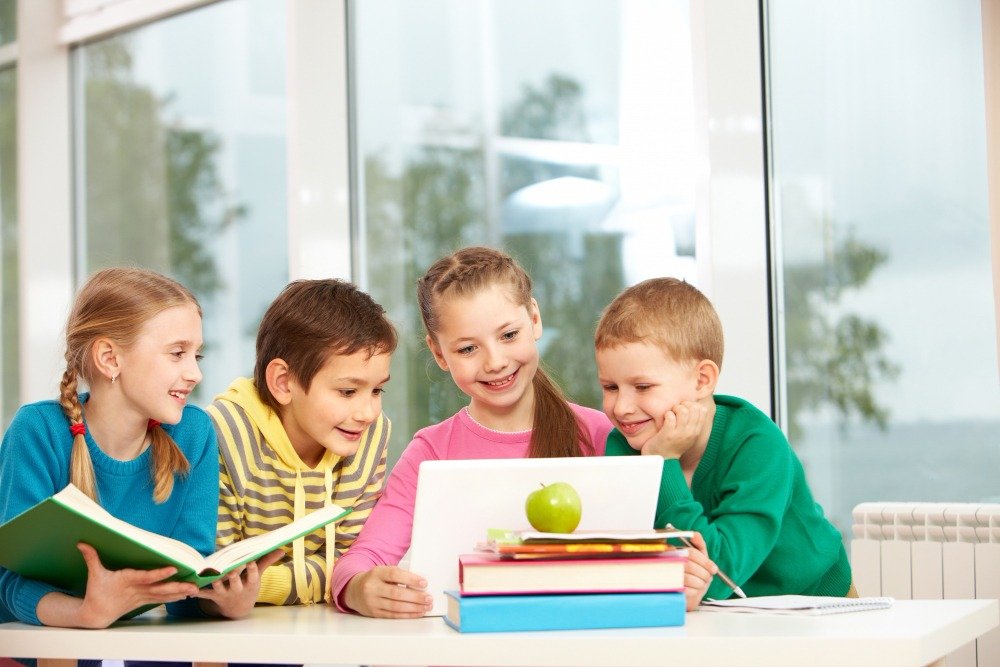
Technology integration is also a key aspect of modern education. Students are exposed to digital tools that enhance learning experiences and prepare them for a technology-driven world. From interactive classroom resources to digital literacy programs, students gain the skills necessary to navigate modern challenges responsibly and ethically.
Physical development and extracurricular engagement are equally valued. Sports, arts, and creative activities provide students with opportunities to discover their talents and interests. Participation in such programs promotes confidence, discipline, and teamwork while supporting overall health and well-being. These experiences complement academic learning and contribute to a balanced educational journey.
Ultimately, the goal of an Islamic school education is to produce individuals who are knowledgeable, ethical, and socially responsible. Students graduate with not only academic qualifications but also strong moral foundations that guide their decisions throughout life. They learn that success is not measured solely by achievements but also by character, integrity, and contributions to others.
In today’s rapidly changing world, education must prepare students to face challenges with resilience and wisdom. A holistic approach that combines faith, knowledge, and character development equips students with the tools they need to succeed both in this life and the hereafter. By nurturing young minds in a supportive, values-based environment, Islamic education continues to play a vital role in shaping future generations of leaders, innovators, and compassionate citizens.